

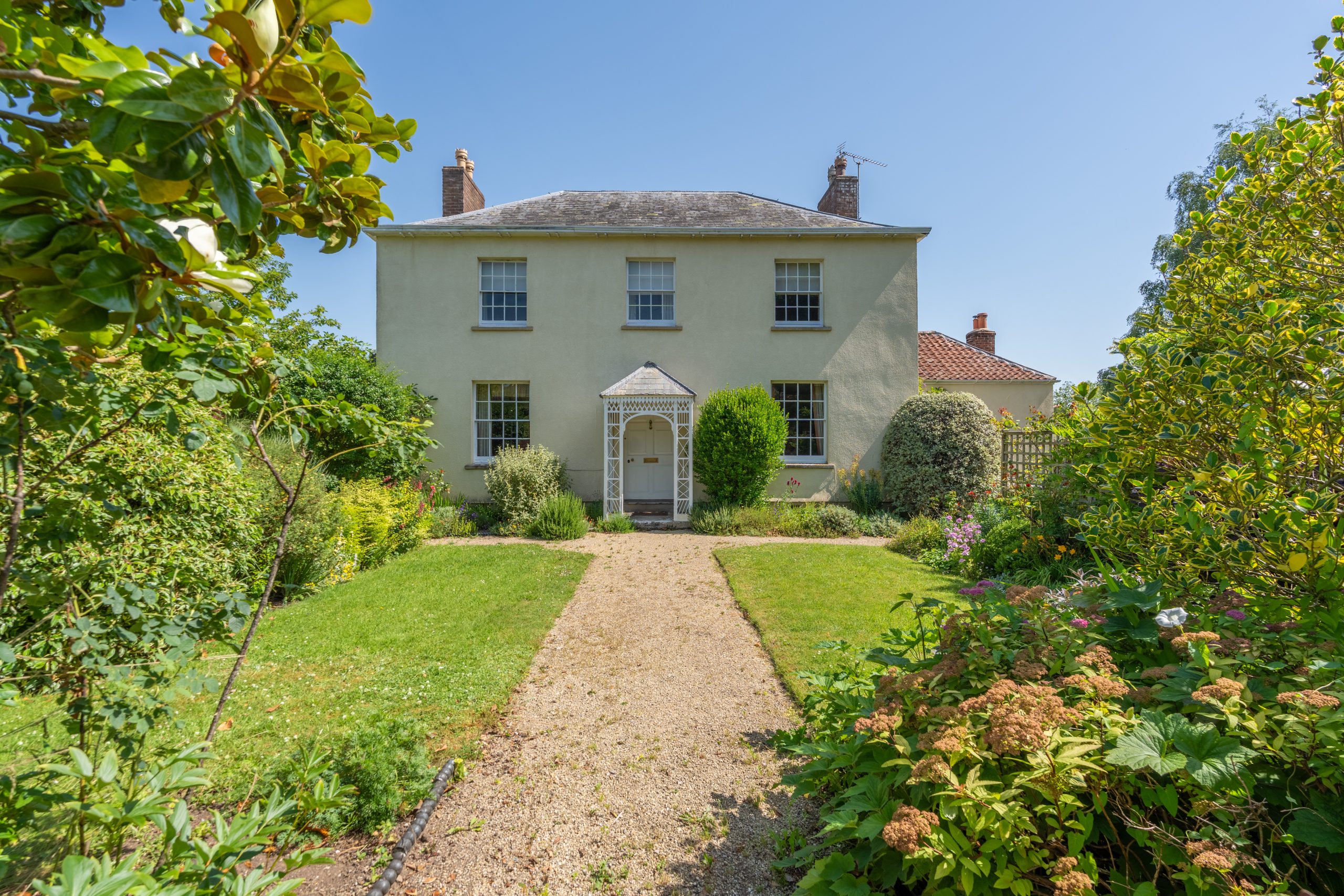
Owning a Grade II listed building in England comes with legal responsibilities intended to protect the building’s special architectural or historic interest. Grade II is the most common listing category, covering buildings of national importance and special interest.
The main obligations are:
- You must obtain Listed Building Consent for many changes
You generally need Listed Building Consent (LBC) from your local planning authority before making any works that affect the building’s character as a listed building. This can include:
- Altering windows or doors
- Removing fireplaces, staircases, or internal walls
- Replacing roofing materials
- Extensions
- Changes to historic features inside or outside
- Demolition (even partial)
Importantly, internal alterations can require consent just as much as external ones.
Carrying out work without the required consent is a criminal offence, even if:
- you own the property,
- the work improves the building,
- or a previous owner carried out unauthorised alterations.
- You have a duty not to damage the building
Owners are expected to avoid neglect or deliberate damage. While there is no general legal obligation to restore a listed building to a perfect condition, local authorities have powers to act if serious neglect threatens its preservation. These can include:
- Urgent Works Notices
- Repairs Notices
- Ultimately, in exceptional cases, compulsory purchase.
- Maintenance is encouraged and often does not need consent
Routine maintenance using like-for-like materials typically does not require Listed Building Consent, for example:
- Clearing gutters
- Repainting previously painted surfaces with similar materials (depending on circumstances)
- Minor repairs using matching materials and techniques
However, replacing rather than repairing historic fabric often does require consent.
- Repairs should use appropriate materials and methods
Repairs should preserve the building’s historic character. This often means:
- matching original materials (e.g. lime mortar rather than cement)
- repairing original timber rather than replacing it where possible
- retaining historic features whenever feasible
- Ordinary planning permission may also be needed
Some projects require both:
- Planning Permission, and
- Listed Building Consent.
These are separate approvals.
- Energy efficiency improvements can be more complex
Measures such as:
- double glazing
- external wall insulation
- solar panels
- heat pumps
may require Listed Building Consent and sometimes planning permission. There are often sympathetic alternatives that better preserve the building’s significance.
- You should check before buying or carrying out work
Because unauthorised works remain an issue regardless of who carried them out, buyers should:
- check whether previous alterations received Listed Building Consent;
- keep copies of all consents and approved plans.
What you are not legally required to do
Owning a Grade II listed building does not automatically mean you must:
- open it to the public;
- restore it to its original appearance;
- use traditional materials for every minor maintenance task regardless of context;
- obtain consent for every repair or decorating job.
Whether consent is needed depends on whether the work affects the building’s special historic or architectural interest.
Penalties for non-compliance
Undertaking unauthorised works can result in:
- criminal prosecution;
- unlimited fines;
- an order to reverse the unauthorised works or restore the building.
Good practice
Before undertaking any work:
- Contact your local council’s conservation officer.
- Obtain written advice where possible.
- Apply for Listed Building Consent if there is any doubt.
- Keep detailed records of repairs and approvals.
This blog is for general information only and should not be relied upon as legal or planning advice.
Independent professional advice should always be obtained before taking any action – call us on 01934 862370 and we’ll put you in touch with a qualified surveyor.


